

Document
- Implement the revised National School Feeding Policy, ensuring the integration of local products in the school meals through multisectoral governance mechanisms and continuously aligning school feeding standards with national nutritional and educational priorities.
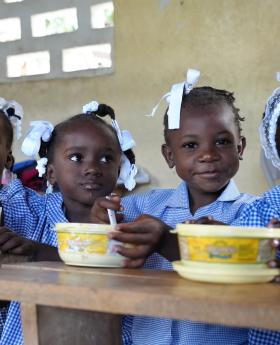
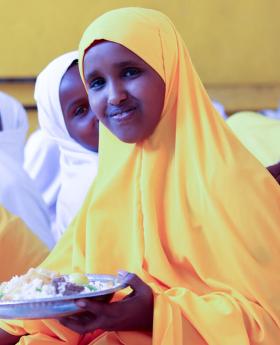
- Provide balanced and nutritious school meals to every schoolchild in public institutions, increasing the number of students receiving meals to over 1,500,000 by 2025, with a target of achieving 100% nationwide coverage by 2030.
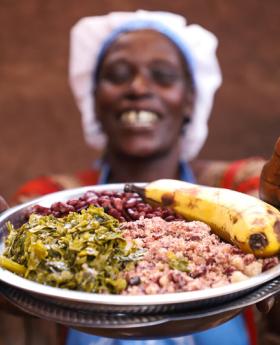
- Increase the use of locally sourced products in school meals to support local agriculture and ensure sustainability, with a target of 50% local products in meals by 2026 and 100% by 2030.
- Strengthen institutional capacity at national and local levels to manage school meals programmes, including training for teachers, canteen staff, and community leaders, and establish coordination mechanisms at the departmental level.
- Establish a monitoring, evaluation, and accountability system for school feeding programmes, with a framework developed and implemented by 2025 to allow for annual progress reporting.
- Foster collaboration with national and international partners to ensure financing and coordination of school feeding programmes, including annual advocacy roundtables starting in 2025 and active participation in international school feeding forums.
Document